The Impact of Streaming Services on Indie Music
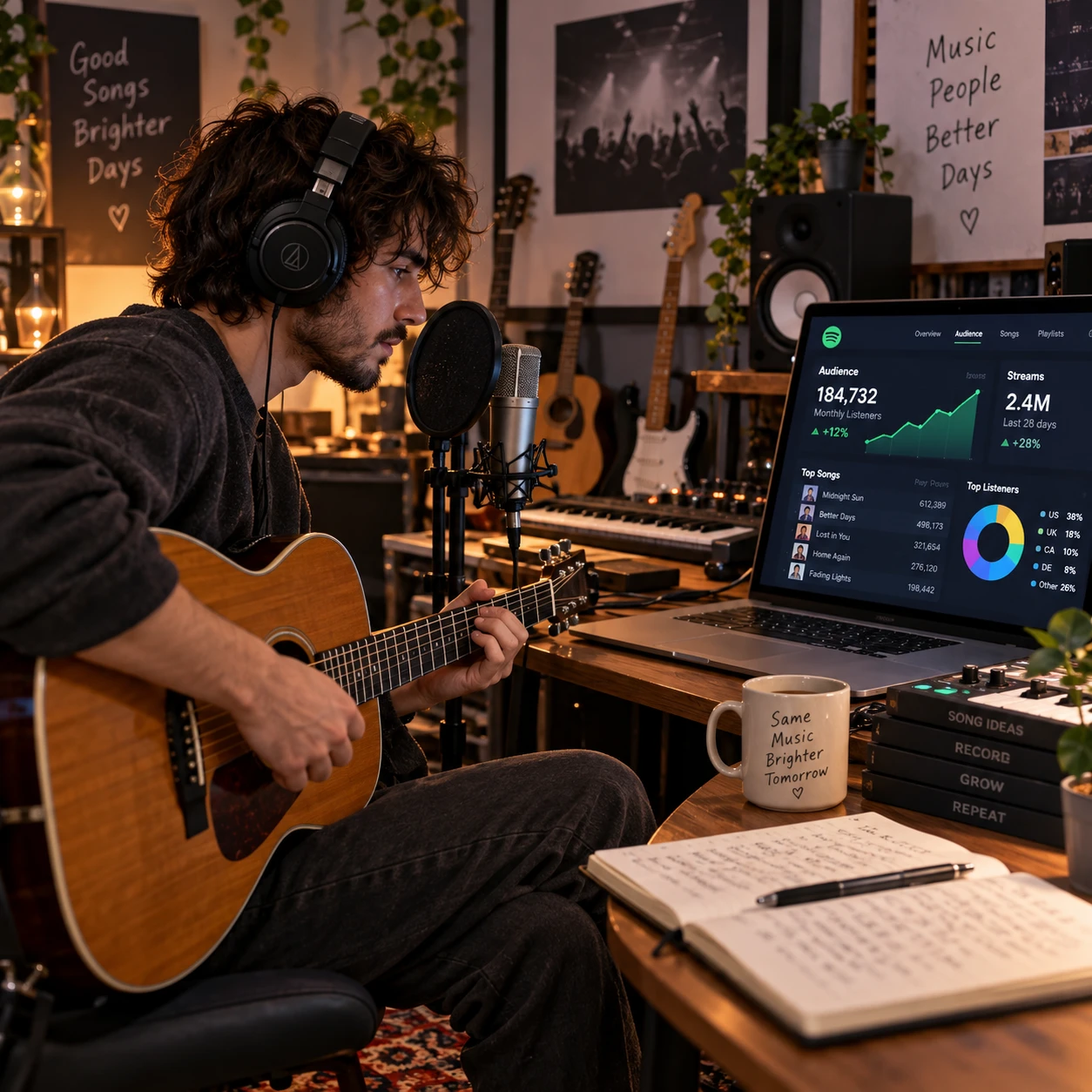
Streaming services have changed how independent music gets released, discovered, and heard. Independent artists can now make their recordings available around the world without pressing CDs or securing a traditional retail deal. Yet access is only the first step: visibility is competitive, and streams alone rarely provide dependable income.
For independent artists and labels, the useful question is how to make streaming support a wider career. That means understanding distribution, royalties, playlists, and audience development, then connecting online listening with fan engagement, live shows, and direct sales.
How Streaming Changed Indie Music Distribution
Streaming platforms have made digital distribution faster and more accessible for independent artists. A release can move from a finished master to global storefronts through a distributor, without the physical manufacturing and retail arrangements that once stood between musicians and listeners.
In the physical era, independent record labels often handled pressing, shipping, and relationships with shops, alongside promotion. Today, music distribution companies deliver recordings and metadata to services such as Spotify, Apple Music, and Deezer. Artists may distribute directly through an aggregator, while labels may coordinate delivery across a roster and manage release details.
This lower barrier brings a real advantage: artists can release music on their own schedule and keep a recording available after its initial campaign. It also shifts work onto the artist. A distributor can deliver a track, but usually does not create demand, pitch every playlist editor, or build a community around a release.
Before delivery, check that credits, artist profiles, release dates, cover art, and rights information are accurate. Fixing a metadata error after launch can be slow, and a song assigned to the wrong artist profile may confuse listeners and disrupt promotion. Distribution gets the music online; planning gives the release a reason to be noticed.
New Ways for Indie Artists to Reach Listeners
Streaming services give independent artists access to listeners beyond their local scene, while playlists and recommendation systems can introduce music to people who have not heard of the artist. Those tools expand reach, but they do not guarantee sustained attention.
Listeners discover indie music through editorial playlists, algorithmic recommendations, search, social sharing, and friends’ playlists. Each route works differently. An editorial placement can create a short burst of exposure; algorithmic discovery may respond to listening behavior, such as people saving a track or playing more music by the artist. Neither replaces a clear identity or a compelling release.
Think of discovery as a three-step path: exposure, engagement, and return. A playlist may provide exposure. A complete profile, a strong follow-up track, and an invitation to join a mailing list can turn a casual listen into engagement. New music, live dates, or thoughtful updates give that listener a reason to return.
Artists should pitch unreleased tracks through the tools available in their streaming dashboards, where eligible, and provide accurate genre and mood details. Avoid describing every song with the same broad tags. A precise pitch helps a curator or listener understand where the track fits. At the same time, keep promoting through local press, community radio, live bills, and social channels; relying on one platform makes audience growth vulnerable to changes in recommendations.
The Revenue Challenge
Streaming royalties are generally calculated from a platform’s revenue pool and distributed according to listening and licensing agreements, rather than through one fixed payment for every play. The amount an artist receives depends on several factors, so a stream count cannot be translated into a guaranteed income figure.
Services pay rights holders, which may include a distributor, record label, publisher, or collecting society. Those organizations then account to the relevant artists, songwriters, and other rights holders under their agreements. Recording royalties and composition royalties are separate: the sound recording has one set of rights, while the underlying song has another.
This system can make streaming revenue hard to predict. Rates vary by platform, territory, subscription type, and contract terms. A label or distributor may deduct fees or recoup expenses before paying an artist, depending on the deal. Independent artists should read distribution and recording agreements carefully and ask who collects each royalty, what deductions apply, and when statements arrive.
Streams can be valuable as evidence of demand and as one part of an income mix, but high play counts do not automatically mean a sustainable career. Track revenue alongside saves, repeat listeners, mailing-list signups, ticket sales, and direct purchases. Those signals show whether a release is building relationships as well as accumulating plays.
What Streaming Means for Independent Labels
Streaming has shifted independent label work from physical distribution toward release planning, promotion, rights administration, and artist development. A good label helps an artist use platforms strategically while building value that lasts beyond a single playlist placement.
Independent record labels can coordinate delivery, confirm metadata and credits, set realistic release calendars, and help artists prepare promotional assets. They may also advise on playlist pitching, press outreach, collaborations, and the timing of singles, EPs, or albums. The right plan depends on the artist’s sound, audience, resources, and goals, not a formula borrowed from major-label campaigns.
Labels also provide a useful second set of eyes. For example, if a track receives attention in one region, a label can help assess whether to support that interest with local press, a show, or a targeted campaign. That response costs time and money, so the decision should be based on meaningful audience signals rather than a temporary spike in plays.
Label support has limits. Smaller teams have finite budgets, and a label cannot control a platform’s recommendation system or promise a playlist feature. Artists should understand what a deal covers, how costs are handled, and how rights and revenue are shared. Transparent communication and defined responsibilities matter as much as the label’s platform contacts.
Building a Sustainable Streaming Strategy
A sustainable streaming strategy connects each release to a specific audience goal, then measures whether listeners take a next step. Independent artists can improve their chances by planning the campaign before the music goes live and keeping fan engagement active after release week.
Use this practical sequence to keep the work focused:
- Set a purpose. Decide whether the release should introduce a new project, reach listeners in a particular scene, support a tour, or deepen engagement with existing fans.
- Prepare the release. Deliver music early enough to check profiles and metadata, gather press materials, and pitch eligible tracks before launch.
- Give listeners a next step. Link to upcoming shows, a mailing list, merchandise, or direct music sales in places you control. Make the invitation clear without turning every post into a sales pitch.
- Review useful signals. Look at saves, repeat listening, listener locations, profile visits, and audience growth, not only total streams.
- Follow up with intention. Share related music, explain the story behind a track, or announce a live date when the data suggests a real pocket of listeners.
Consistency helps, but frequent releases are not automatically better. Rushing unfinished songs can weaken an artist’s identity and leave little time to promote each one. A slower schedule may suit music that benefits from careful production or a focused album campaign. The right cadence is the one the artist can sustain while still making meaningful work.
Keep a modest campaign record: release date, promotional actions, audience response, and costs. After several releases, this makes it easier to see which activity attracts engaged listeners. A playlist spike that leads to no follows, saves, or return visits may be less useful than steady growth from a smaller, connected audience.
Streaming’s Place in the Indie Music Ecosystem
Streaming is one part of the indie music ecosystem, alongside live shows, merchandise, direct sales, licensing, and fan-supported channels. It can help listeners find an artist, but a resilient career usually depends on several ways to earn income and maintain contact with fans.
Live shows turn recorded music into a shared experience and can strengthen local communities. Merchandise gives dedicated listeners a tangible way to support an artist, while direct sales through an artist’s own store can offer a closer fan relationship. Licensing, where suitable, may create opportunities for recordings to appear in film, television, games, or other media. Each route takes different skills and resources, and none is guaranteed.
The channels can support one another. A listener may find a song on a playlist, follow the artist, attend a nearby show, and buy a record at the venue. That path is more meaningful than a play alone because it creates both income and a continuing connection. Artists should choose options that fit their audience; touring far from an established fan base, for instance, can cost more than it earns.
For independent labels, the strategic aim is to help artists connect these pieces. Streaming data can reveal where listeners are, while local partners, live bookings, and direct communication can help turn that information into real relationships. Treat streams as a useful signal, not the whole measure of success.
Frequently Asked Questions
Can independent artists release music on streaming platforms without a label?
Yes. Artists can use a digital distributor to deliver music to streaming services without signing to an independent record label. They remain responsible for promotion, rights information, and understanding any distributor fees or terms.
How do streaming royalties reach indie artists?
Platforms pay rights holders under their licensing arrangements. A distributor, label, publisher, or collecting society may receive and account for the relevant royalties, depending on the rights and agreements involved. Artists should check statements and confirm how recording and songwriting royalties are collected.
Do playlists guarantee more listeners or income?
No. A playlist can increase exposure, but placement does not guarantee that listeners will follow, save, revisit, or support the artist. Results depend on the audience fit and what the artist does to build a lasting connection.
What can an independent label do to help an artist succeed on streaming services?
An independent label can support distribution, metadata, release planning, promotion, rights administration, and audience development. Its contribution varies by label and agreement, so artists should confirm specific services, costs, and royalty terms before signing.