Effective Strategies for Crowdfunding Music Projects

Crowdfunding can help an independent artist finance an album, EP, vinyl pressing, music video, or tour while building a closer relationship with listeners. The strongest campaign is planned as a complete music project, not treated as a quick online collection of donations.
For an independent record label, crowdfunding also creates a useful test of demand. Supporters can help shape the release, provide early revenue, and become a committed community around the artist. Success depends on a credible funding goal, manageable supporter rewards, clear communication, and promotion that begins well before the campaign launch.
Define Your Music Project and Funding Needs
A music project should have a clearly defined creative scope, production plan, timeline, and funding requirement before the crowdfunding campaign opens. Supporters are more likely to contribute when they understand exactly what their money will make possible.
Start with a one-sentence project description: for example, “This campaign will fund the recording, mixing, mastering, and first physical edition of a ten-track debut album.” That sentence keeps the campaign focused and helps the artist, label, producer, and designer make consistent decisions.
Map the project from recording to delivery
- Creative work: songwriting, recording sessions, producer fees, musicians, studio hire, mixing, and mastering.
- Release assets: artwork, photography, music videos, promotional materials, metadata, and distribution preparation.
- Manufacturing: vinyl, CDs, cassettes, packaging, test pressings, and minimum order quantities.
- Fulfilment: packing materials, postage, customs considerations, storage, and staff time.
- Schedule: recording, manufacturing, campaign updates, release date, and reward delivery windows.
A label can add value by turning the artist’s idea into a production calendar with named responsibilities. Include a small contingency for reasonable surprises, such as a delayed pressing plant or an extra mixing revision. Avoid promising a fixed delivery date before suppliers and collaborators have confirmed their timelines.
Choose the Right Crowdfunding Approach
Reward-based crowdfunding is usually the most natural approach for an independent music project because supporters receive music, physical products, experiences, or access in return for backing the campaign. The right crowdfunding platform should match the project’s audience, payment rules, fees, campaign format, and fulfilment needs.
Reward-based campaigns work well for albums, special editions, music videos, and tours because the offer is easy to explain. Other models have different implications:
- Donation-based crowdfunding may suit a community or charitable music initiative, but it offers fewer commercial rewards.
- Membership or subscription models can support continuing access to demos, live sessions, or exclusive releases rather than one defined project.
- Equity crowdfunding involves investment and legal obligations, making it substantially more complex than a typical release campaign.
When comparing a crowdfunding platform, examine its audience discovery features, payment processing, campaign deadlines, payout conditions, fee structure, refund rules, data access, and support tools. A platform cannot create demand that the artist has not prepared. For most independent labels, an existing email list and direct audience relationships matter more than a platform’s headline reach.
Also check tax, consumer-protection, and intellectual-property obligations in the relevant country. A label should keep written records of what each supporter receives and how funds will be used.
Build a Realistic Campaign Budget and Goal
A realistic funding goal covers the full cost of production, promotion, platform charges, fulfilment, and contingency without promising more than the team can deliver. Calculate the goal from the project budget first, then decide which parts are essential and which can be added if funding exceeds the target.
Use a simple cost structure:
- Recording and post-production
- Artwork, photography, video, and design
- Manufacturing and packaging
- Shipping, storage, and fulfilment labour
- Campaign promotion and content production
- Platform and payment-processing fees
- Contingency for price changes or delays
Separate fixed costs from variable costs. Studio hire may be fixed, while postage increases with every physical reward sold. A useful formula is: funding goal = fixed costs + estimated variable costs + contingency + campaign fees. If the campaign platform calculates fees as a percentage, model several outcomes rather than assuming the target amount will arrive in full.
Build a conservative and an expanded version of the plan. The conservative version might fund recording and a digital release. The expanded version could add vinyl, a video, or a listening event. This approach protects the core music project if the campaign raises less than hoped and gives supporters a visible reason to help beyond the initial goal.
Do not lower the funding goal simply to make success appear more likely. An underfunded campaign can create cash-flow problems, forcing the artist or label to absorb costs personally or reduce quality.
Create Rewards That Motivate Supporters
Effective supporter rewards are desirable, easy to understand, financially viable, and simple to fulfil. Offer a small number of carefully designed tiers rather than dozens of complicated combinations that create inventory and shipping errors.
Useful reward ideas include:
- Digital album or EP delivered before the public release
- Limited signed CD, cassette, or vinyl edition
- Hand-numbered artwork, lyric sheet, or poster
- Private online listening session or studio Q&A
- Behind-the-scenes video diary, demos, or production notes
- Small-group rehearsal, livestream, or local acoustic performance
- Credits in the album booklet, where appropriate and agreed in writing
Give each tier a clear value and delivery estimate. A low-priced digital option allows casual listeners to participate, while a mid-range physical edition often becomes the campaign’s practical centre. Higher tiers should remain limited to experiences the artist can deliver safely and consistently.
Before publishing rewards, calculate the cost of every item, including packaging and postage. A signed vinyl reward may feel profitable until international shipping, replacement copies, and staff time are included. Avoid unlimited personal commissions, extensive travel promises, or custom merchandise unless the team has a reliable process and capacity.
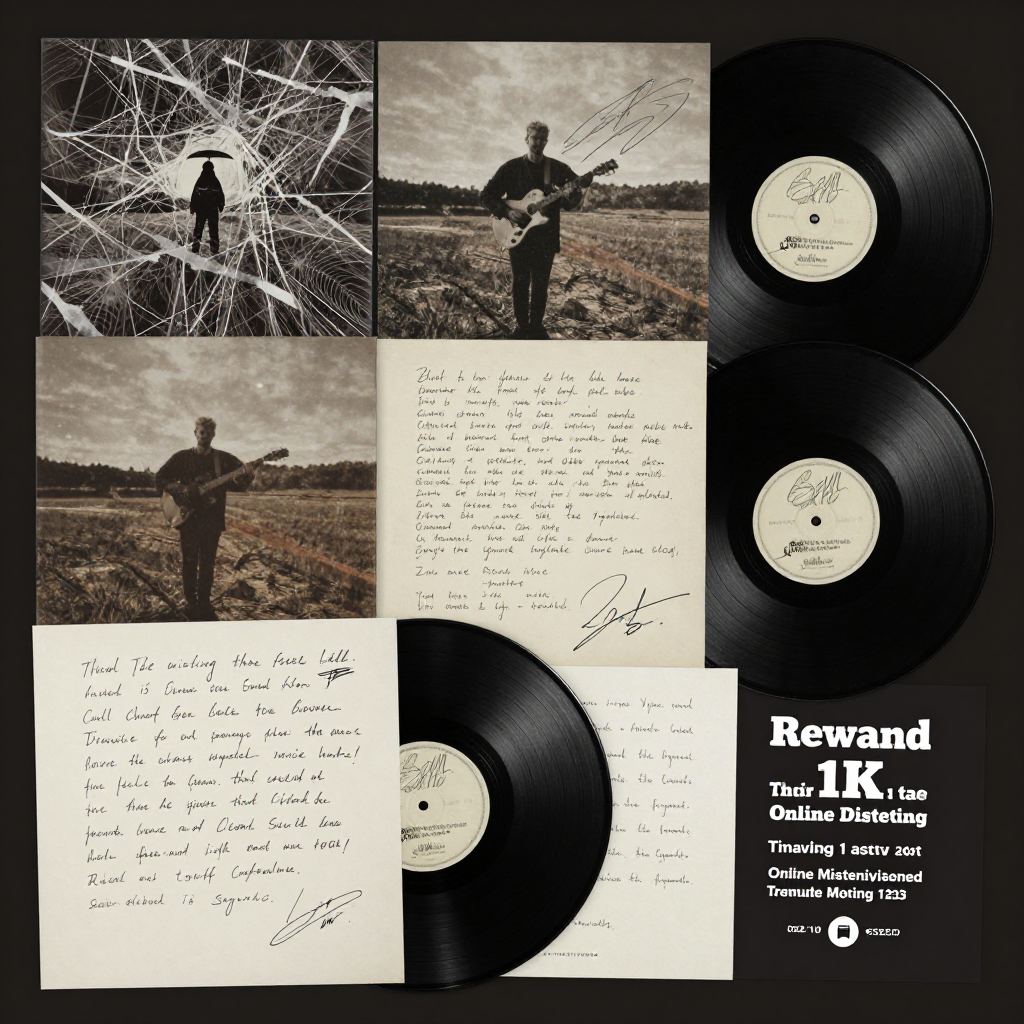
Prepare a Compelling Campaign Page
A compelling campaign page explains who is making the music, what the funding will achieve, how the money will be spent, and what supporters will receive. Strong writing, authentic media, a clear funding breakdown, and one direct call to action give visitors enough confidence to back the project.
Structure the page in the order a cautious supporter needs:
- Open with the project: name the artist, release, format, and central creative idea.
- Show the artist: use a short campaign video with real footage, music, and a direct explanation from the artist.
- Explain the need: describe which production costs the campaign will cover.
- Present rewards: display tiers, quantities, prices, and estimated delivery windows.
- Give the timeline: show milestones from funding through fulfilment.
- Ask clearly: tell visitors how to choose a reward and share the campaign.
The video does not need expensive production. It does need good audio, a specific story, and a believable reason to act now. Include a short excerpt of the music where rights allow, along with photographs or footage that show the work in progress.
Use a transparent budget table or bullet list. Supporters do not need every invoice, but they should see whether the money is going toward recording, manufacturing, promotion, or delivery. A label can review the page for consistency, verify reward quantities, and ensure that artist claims and partner credits are accurate.
Promote the Campaign Before and During Launch
Campaign promotion should begin before launch by building awareness, collecting interested contacts, and preparing a sequence of useful messages. Launch momentum usually comes from an artist’s existing audience, email list, label network, collaborators, and direct personal outreach.
Build demand before the campaign opens
- Create a simple pre-launch sign-up page with the project name and launch date.
- Share recording clips, artwork development, reward previews, and short artist explanations.
- Ask listeners what formats or experiences interest them, without treating informal feedback as guaranteed sales.
- Prepare email, social media, website, and label assets in advance.
- Give collaborators a compact toolkit containing approved images, copy, links, and posting dates.
During launch, contact the people most likely to care first: existing supporters, mailing-list subscribers, previous buyers, local venues, collaborators, and trusted media contacts. A personal message often works better than repeated generic posts. Explain why the project matters and ask for a specific action, such as backing a reward or forwarding the campaign to one interested listener.
Plan regular updates around real milestones rather than posting simply to fill a calendar. Share recording progress, manufacturing news, supporter questions, stretch-goal decisions, and honest explanations of delays. The independent record label can coordinate campaign promotion, schedule interviews, manage press outreach, and keep the artist focused on meaningful audience engagement.
Measure practical signals such as email clicks, reward conversions, referral sources, questions, and repeat visits. High views with few pledges may indicate unclear rewards or a weak explanation of the project, not merely insufficient advertising.
Fulfil Promises and Strengthen Long-Term Support
After the funding goal is reached, fulfilment and transparent communication become the campaign’s most important responsibilities. Confirm the final budget, protect delivery funds, provide regular updates, and tell supporters promptly when a supplier or production issue changes the schedule.
Use a fulfilment checklist:
- Confirm supporter names, addresses, reward selections, and consent for public credits.
- Order physical products only after checking quantities and production specifications.
- Set aside packaging, postage, replacement, and customer-support capacity.
- Send digital rewards through a reliable delivery system and protect private links.
- Track shipments and provide a clear contact route for missing or damaged items.
- Publish progress updates until every reasonable delivery obligation is complete.
Do not hide a delay because the news feels uncomfortable. State what happened, what has changed, what the team is doing, and when the next update will arrive. A realistic revised date is more useful than repeated optimistic estimates.
Once rewards are delivered, thank supporters personally where practical and ask permission before adding them to ongoing marketing. With consent, campaign supporters can become an active label community through release previews, live events, mailing-list updates, and future limited editions. Crowdfunding works best when the transaction leads to a durable relationship rather than ending at the payment confirmation.
Frequently Asked Questions
How much should a music crowdfunding campaign aim to raise?
The funding goal should equal the verified project budget, including production, fulfilment, fees, promotion, and contingency. Start with the minimum amount needed to deliver the core release, then identify optional additions for higher funding levels.
Which rewards work well for independent music projects?
Digital releases, limited physical editions, signed items, behind-the-scenes access, listening sessions, and small live experiences usually fit independent music projects well. Every reward should be costed, limited where necessary, and realistic to deliver.
How can an independent record label promote a crowdfunding campaign?
An independent record label can coordinate email marketing, social media, press outreach, collaborator promotion, campaign assets, audience segmentation, and fulfilment planning. Its strongest advantage is often trusted communication with an existing niche audience.
When should an artist start promoting the campaign?
Begin preparing the audience several weeks before launch, allowing time to collect sign-ups, test the message, preview rewards, and brief collaborators. Promotion should continue throughout the campaign with meaningful updates and direct outreach.
What should happen after a campaign reaches its funding goal?
Confirm the final plan, communicate next steps, manage production and fulfilment, and report progress regularly. If additional funding is accepted, explain exactly what extra amount will support and avoid adding rewards that threaten delivery.