The Importance of Networking in the Independent Music Scene
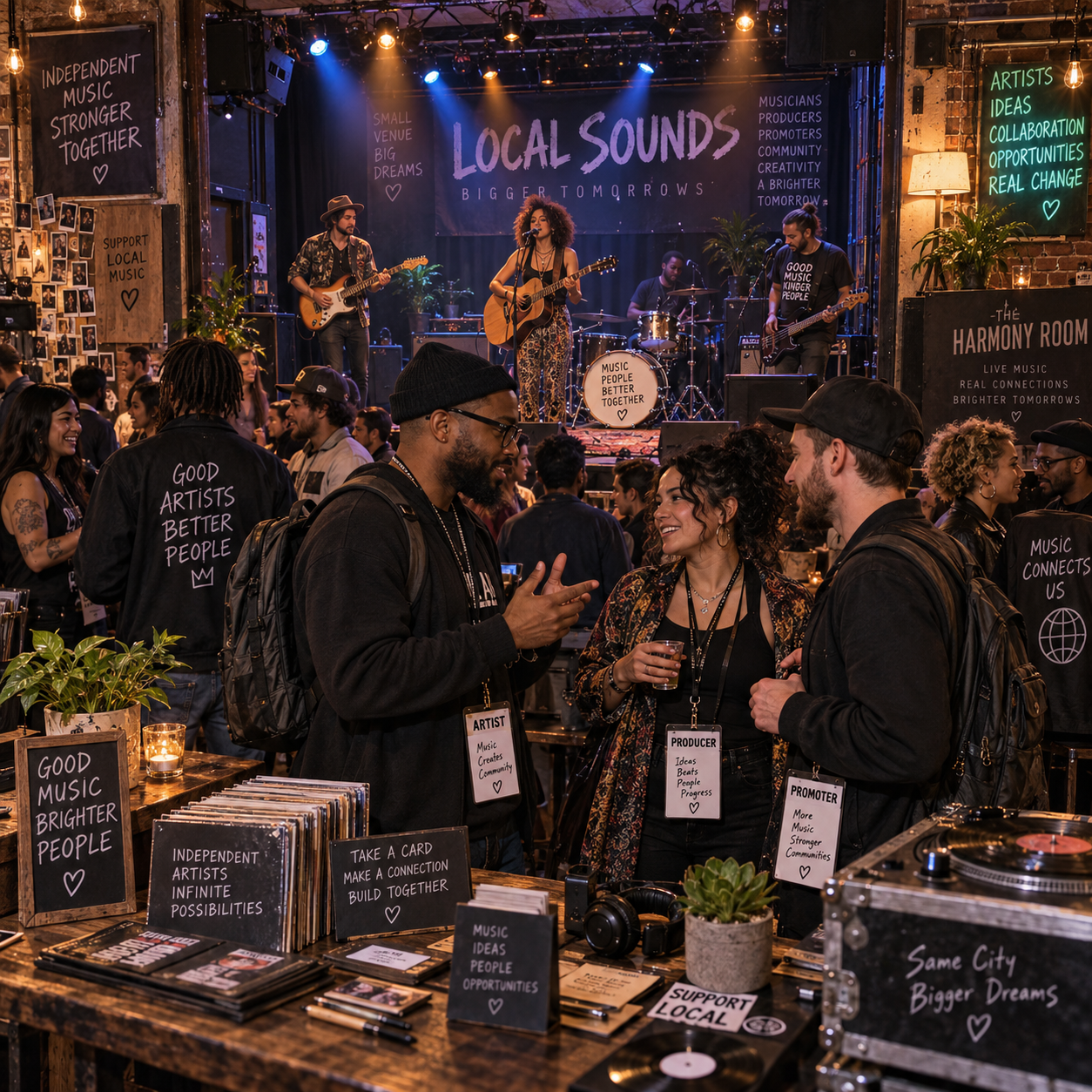
In the independent music scene, strong relationships can be as valuable as a finished track. Networking helps independent musicians find collaborators, reach new audiences, secure live opportunities, and learn from people who understand the realities of building a career outside the major-label system.
Effective networking is not about collecting business cards or sending the same message to everyone. It is the gradual process of becoming known as a reliable artist, collaborator, and member of a creative community.
Why Networking Matters for Independent Musicians
Networking matters for independent musicians because relationships create access to opportunities, knowledge, and practical support that one artist rarely has alone. A trusted connection may lead to a performance, artist collaboration, producer referral, music distribution contact, or introduction to an independent record label.
Independent artists often manage recording, promotion, booking, social media, and administration themselves. A useful network reduces that isolation. Other musicians can recommend affordable producers and engineers, share information about live music venues, or provide honest feedback before a release goes public.
Visibility also grows through repeated presence. When an artist attends local shows, supports other performers, and contributes to digital music communities, people begin to associate that artist with consistency. That recognition can matter when a promoter needs an opening act or a venue owner is considering a new bill.
Networking does not guarantee fame, a record deal, or financial success. Its value is cumulative. A single conversation may lead nowhere, while six months of respectful participation can create a dependable circle of creative and professional support.
Who Should Independent Artists Network With?
Independent artists should network with people who contribute to the creative, live, promotional, and business sides of music. The most useful contacts are often active participants in the local scene rather than distant industry names.
- Other independent musicians: Fellow artists can share bills, recommend contacts, exchange feedback, and build artist collaborations.
- Producers and engineers: These professionals can improve recordings, help shape a sound, and connect artists with session players or studios.
- Music promoters and venue owners: Promoters organize events, while venues provide the spaces where artists build audiences and demonstrate their live abilities.
- Managers and booking professionals: A suitable manager or booking contact can help coordinate opportunities once an artist has developed a clear direction.
- Music journalists, playlist editors, and local media contacts: These people may help communicate a release story to a relevant audience, provided the music fits their coverage.
- Independent record labels: Labels can offer release planning, promotion, distribution, and introductions to wider music communities.
Start locally and think beyond job titles. A photographer, community radio host, event volunteer, or rehearsal-space operator may become an important part of an artist’s network. Relevance and trust usually matter more than status.
How Networking Leads to Real Music Opportunities
Networking leads to real music opportunities when genuine relationships develop into specific, mutually useful actions. Those actions can include a co-written song, a festival slot, a referral, a distribution conversation, or shared promotion for a release.
Collaborations and creative development
Artist collaborations often begin informally. Two musicians meet at a showcase, discover compatible styles, and exchange ideas after the performance. Producers and engineers may then help turn that idea into a finished recording. The result can introduce each artist to the other’s audience without forcing an artificial marketing arrangement.
Performances and audience growth
Live music venues and music festivals depend on reliable relationships. A promoter is more likely to consider an artist who arrives prepared, respects the schedule, and contributes to a healthy event atmosphere. Supporting other performers also creates natural opportunities to share bills and reach listeners who would not find the artist through online discovery alone.
Releases, referrals, and distribution
A trusted contact may recommend a digital distributor, publicist, playlist curator, or independent label. The introduction does not replace quality music or professional preparation, but it can help an artist reach the right person instead of sending an irrelevant message into a crowded inbox.
For example, an emerging electronic artist might regularly attend a local showcase and help promote its performers. After several events, a promoter invites the artist to open a larger night. A producer from that bill later contributes to a single, and an independent label hears the track through the resulting network. No single interaction guarantees the outcome; each step makes the next one more plausible.
Effective Networking Strategies for the Independent Music Scene
To network effectively in the independent music scene, attend relevant events, participate consistently, follow up clearly, and offer useful support before requesting favors. A simple approach is to build relationships through presence, contribution, and professional communication.
- Attend local events with a purpose. Go to showcases, open mics, rehearsals, listening sessions, music festivals, and industry workshops. Set a modest goal, such as having two meaningful conversations, rather than trying to meet everyone.
- Participate in digital music communities. Join focused Discord servers, artist forums, online songwriting groups, and local social media communities. Comment thoughtfully, share relevant opportunities, and avoid dropping promotional links without context.
- Prepare a short introduction. Explain who you are, what you make, and what you are currently working on in one or two sentences. A clear introduction is more useful than an exaggerated biography.
- Follow up professionally. Within a few days, send a brief message that refers to the conversation. For example: It was good meeting you at the showcase. I enjoyed your set, especially the final song. I am preparing an alternative-pop EP and would be glad to stay in touch about future bills.
- Offer specific value. Share an event, recommend a contact, photograph a show, provide thoughtful feedback, or promote a release that genuinely fits your audience. Reciprocity should be practical, not performative.
- Keep basic records. A simple spreadsheet can track names, roles, where you met, relevant interests, and the last contact date. Use it to remember people, not to automate spam.
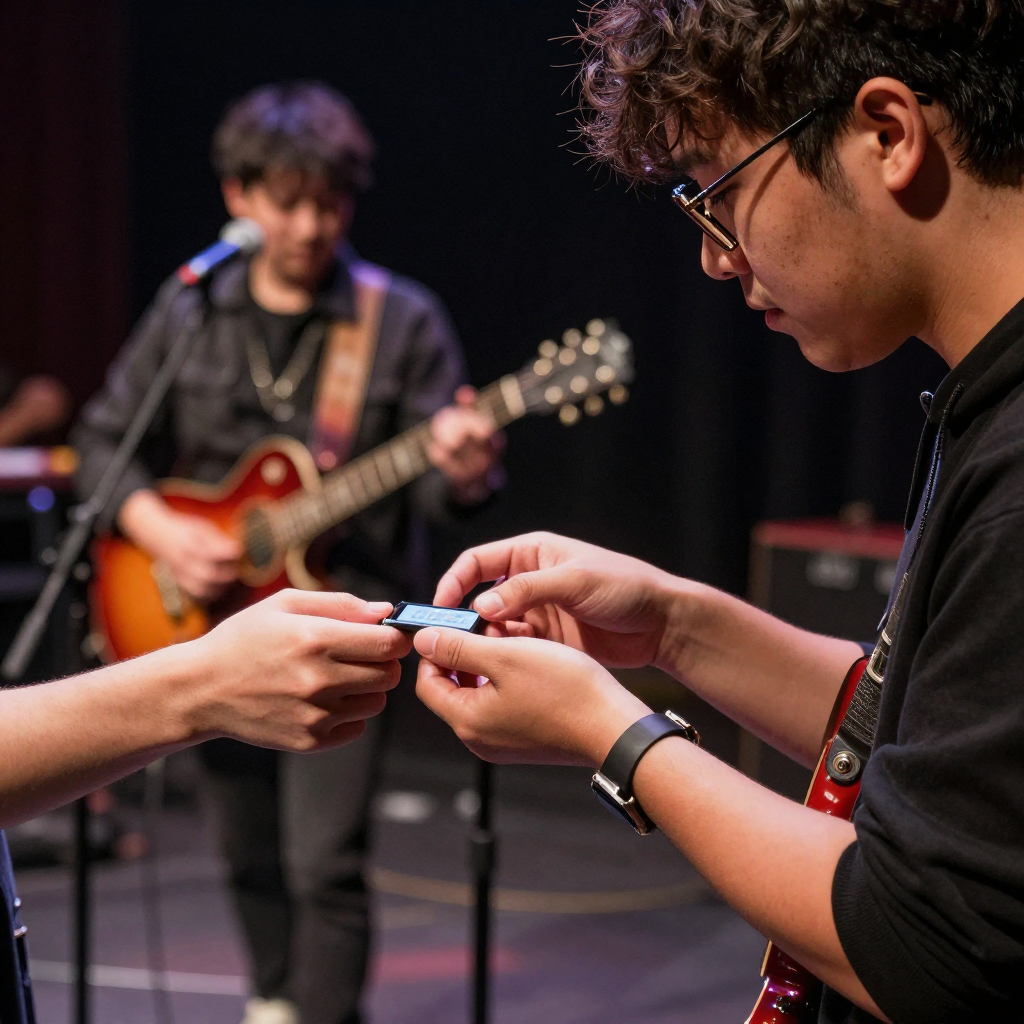
Online networking works best when it leads to recognizable human interaction. Comment on the work itself, attend a livestream, or join a real discussion before sending a private message.
Building Authentic, Long-Term Industry Relationships
Long-term industry relationships are built through consistency, reliability, respect, and communication rather than immediate requests. People remember whether an artist was prepared, considerate, and honest about what they needed.
Think of every relationship through the lens of the three-part trust test: presence, proof, and patience. Presence means showing up regularly. Proof means doing what you said you would do, whether that involves sending a demo, arriving for soundcheck, or promoting a shared event. Patience means allowing the relationship to develop without demanding an instant result.
Communication should also match the relationship. A first message can be short and personal. A collaboration proposal should explain the idea, expected contribution, timeline, and ownership questions. Before releasing shared work, agree in writing on credits, royalties, publishing, artwork, and promotional responsibilities.
Respect boundaries. Do not repeatedly message someone who has declined, and do not assume that a friendly conversation equals professional commitment. Choosing a slower, genuine approach may produce fewer immediate replies, but it protects reputation and creates more durable connections.
How Independent Record Labels Support Artist Networking
Independent record labels support artist networking by connecting musicians with creative partners, promotional contacts, venues, distributors, and relevant music communities. A good label expands an artist’s working network while preserving the artist’s identity and decision-making voice.
Labels may introduce artists to producers and engineers who suit a particular sound, coordinate festival or venue opportunities, and bring several artists together for collaborative campaigns. They can also support music distribution and promotion through digital service providers, press contacts, playlist pitching, radio outreach, and release planning.
The strongest independent labels act as relationship builders, not simply release administrators. They understand which communities are genuinely relevant to an artist and avoid pushing every act through the same formula. A folk artist may need regional festival and songwriter connections, while an experimental producer may benefit more from specialist media, visual artists, and niche digital communities.
Artists should still evaluate a label carefully. Ask how introductions are made, who owns the recordings, what promotional work is included, how expenses are recovered, and how communication will work. A label’s network is valuable only when its agreements are transparent and its opportunities fit the artist’s long-term goals.
Common Networking Mistakes to Avoid
The most common networking mistakes are impersonal outreach, weak follow-up, excessive self-promotion, and treating every interaction as a sales opportunity. Avoiding these errors makes professional relationships more natural and more productive.
- Sending generic messages to everyone: Artists do this to save time, but recipients can usually recognize copied outreach. Mention a specific event, song, or shared interest, and explain why the connection is relevant.
- Failing to follow up: A good conversation can disappear if there is no clear next step. Send a short message within a few days, then allow space. One respectful reminder is usually better than repeated pressure.
- Overpromoting at events: Turning every conversation into a pitch makes people feel used. Ask questions, listen to the answer, and discuss music as people rather than contacts.
- Supporting nobody else: Expecting others to share your work while ignoring theirs creates an uneven relationship. Attend shows, celebrate releases, and recommend artists when their work genuinely fits.
- Making vague requests: Asking someone to help with everything from booking to management is difficult to answer. Request one specific action, such as feedback on a venue list or an introduction to a suitable promoter.
Networking is a professional practice, but it is also a community responsibility. Be useful, be honest about your capacity, and protect the trust people place in you.
Frequently Asked Questions About Music Networking
How can independent musicians start networking with limited industry contacts?
Begin with local shows, open mics, rehearsal spaces, student music communities, and online groups focused on your genre or city. Support other artists, introduce yourself clearly, and aim to build two or three genuine relationships rather than seeking immediate industry access.
What events are most useful for music networking?
Useful events include local showcases, songwriter nights, music festivals, label listening sessions, producer meetups, workshops, and conferences with independent-music programming. Choose events where your style and career goals are relevant.
How should an artist approach an independent record label?
Research the label first and confirm that it releases music compatible with your work. Follow its submission instructions, send a concise message, and include a private or clearly organized link to your strongest material. Explain why the label is a suitable fit instead of sending a mass pitch.
How can musicians network online effectively?
Participate in digital music communities through useful comments, thoughtful feedback, livestream attendance, and relevant event discussions. Build familiarity before requesting help, and keep private messages personal, brief, and specific.
How often should artists follow up with industry contacts?
Follow up once a few days after an initial conversation or agreed action. If there is no response, send one polite reminder after roughly one or two weeks, then pause. Reconnect later only when you have a relevant update, opportunity, or reason to continue the conversation.